
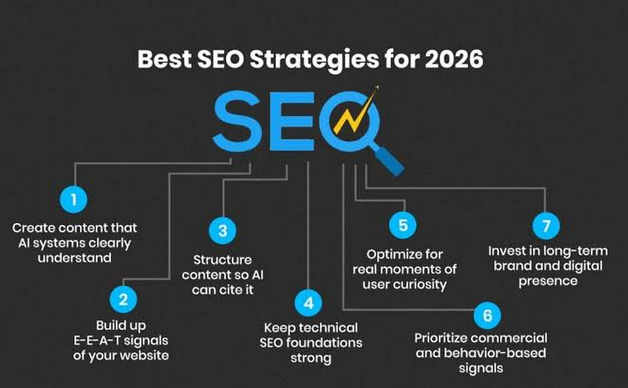
While most new gaming creators obsess over going viral on TikTok or trying to crack the YouTube algorithm’s mysterious “Home” feed, the smartest ones in 2026 are quietly playing a longer, more reliable game: SEO. Search-driven growth is the closest thing creators have to “owned traffic” — a single well-optimized video can still pull thousands of views per month years after upload, something virtually impossible on TikTok or Instagram Reels once their algorithm moves on.
And in 2026, the stakes have gotten even higher. Google now pulls YouTube videos into its main search carousel for “how to” queries. AI Overviews cite YouTube transcripts and timestamps directly. Videos with clean SEO win on three surfaces at once: YouTube search, Google search, and AI answer engines. Most creators are still treating YouTube as separate from SEO — the ones who connect them are the ones quietly stacking organic traffic that compounds year over year. Below are 10 SEO approaches every new gaming creator should master in 2026 to build a search-driven channel that grows whether you stream every week or not.
1. Use YouTube Autocomplete as Your Free Keyword Tool
The cheapest and best keyword research tool in 2026 is built directly into YouTube itself. Open an incognito window, type a broad gaming term (“how to beat,” “best build for,” “easy way to,” “X tier list”), and watch what autocomplete suggests. Those suggestions are a live feed of exactly what gamers are searching for right now, ranked by frequency and updated by the hour.
Build a keyword list by combining different question stems with your niche game (“how to beat Elden Ring DLC,” “best Path of Exile 2 mercenary build,” “easy way to farm gold WoW”). Even free tools like Keyword Tool Dominator pull thousands of these autocomplete suggestions in seconds. The pros use this every Monday morning before planning the week’s content — and so should you.
2. Target Long-Tail Keywords with High Intent
The biggest mistake new gaming creators make is chasing high-volume head terms like “Minecraft” or “Fortnite” — these are dominated by million-subscriber channels and you’ll never rank. The smart 2026 move is targeting long-tail keywords with much lower volume but vastly less competition: “Minecraft 1.21.5 villager trading guide” instead of “Minecraft tutorial,” or “Fortnite Chapter 6 mythic weapon locations” instead of “Fortnite tips.”
These long-tail searches show ultra-high intent. The person searching “how to beat Malenia hitless Elden Ring” knows exactly what they want — and if your video answers it, they’ll watch the whole thing. Search volume might only be 500-2000 per month, but you can actually rank, the audience converts at 5-10x the rate, and multiple long-tail wins compound into serious traffic over time.
3. Master the YouTube Title Formula
Your title is the most critical on-page SEO factor and the difference between rank #1 and rank #20. The 2026 winning formula: primary keyword in the first 5 words, total length under 60 characters, written to humans first and algorithms second. “Best Diablo 4 Necromancer Build for Season 8 (2026 Guide)” follows the formula. “🔥 INSANE NEW BUILD OMG 🔥” doesn’t.
Avoid keyword stuffing at all costs — “Diablo 4 Necromancer Build Tips Tricks Best 2026 Season 8” reads like spam to both viewers and algorithm. One primary keyword per title is the rule. Add a secondary modifier (year, version, platform, difficulty) for clarity. Test using free YouTube title scoring tools to check readability before publishing.
4. Optimize Descriptions for AI Overviews and Google Search
Description optimization has become exponentially more important in 2026 because Google’s AI Overviews now pull from YouTube descriptions to answer search queries. The first 1-2 sentences are critical — they appear “above the fold” before “Show more” and carry more SEO weight than the rest of the description.
The 2026 best practice: open with a one-sentence answer to the video’s main question (matching how someone would phrase it in Google), followed by 2-3 sentences expanding on it. Then add timestamps (which Google indexes), a list of topics covered, related links to your other videos, and finally social/community links. Write the first 100 words as if they’re answering a Google search directly — because increasingly, they are.
5. Build a Pillar Video + Supporting Cluster Strategy
The 2026 advanced SEO move is treating your content as topic clusters rather than isolated videos. Pick one broad, high-volume gaming keyword (e.g., “Elden Ring DLC Complete Guide”), create a 20-30 minute pillar video targeting it comprehensively, then make 8-12 supporting videos using related long-tail keywords (“how to beat Bayle,” “best DLC weapon,” “all DLC boss locations”).
Link everything together using YouTube playlists, end screens, and description links. The cluster reinforces topical authority, dramatically boosts overall watch time, and signals to YouTube that you’re the expert on the topic. Real channels using this strategy report 300-500% increases in total watch time from a single content cluster. It’s the closest thing to a guaranteed growth move in 2026.

6. Optimize Your Channel-Wide SEO
Most creators obsess over individual videos and ignore channel-level SEO — which is a huge missed opportunity. Your channel’s “About” section, channel keywords (set in Channel Settings → Basic Info), playlists, and channel banner all contribute to how YouTube understands and recommends your channel as a whole.
Set channel keywords like “Elden Ring guides, Soulslike strategy, Boss tutorials, PC gaming” — specific to your niche, not generic. Write an About section that includes your primary niche keywords naturally in the first 150 characters. Create themed playlists with keyword-rich titles (“Elden Ring DLC Boss Guides” beats “My Playlists”). These small details add up to significant channel authority over time.
7. Use Chapter Timestamps Aggressively
Chapter timestamps (clickable timestamps in your description that segment your video) are one of the most underused SEO weapons in 2026. They make your video appear segmented in Google search results — meaning a single video can rank for multiple search queries simultaneously, with each chapter showing as its own clickable result.
Format them like this in your description: “0:00 Intro / 1:23 Best Build / 4:50 Skill Tree Guide / 8:15 Boss Strategy / 12:00 Final Tips.” YouTube auto-detects these and creates chapter markers. Each chapter title is indexable, meaning a viewer searching for “Elden Ring skill tree guide” might land directly at minute 4:50 of your video. Genuine free SEO win in 2026.
8. Build a Content Hub on a Personal Blog or Site
The highest-leverage SEO move in 2026 is cross-publishing — embed your YouTube videos into written blog posts on your own site (or Medium, or Substack), with the video as the centerpiece and supporting written content around it. A 2026 BrightEdge study found that videos embedded in written content received 34% more organic search traffic than videos alone.
The mechanism: Google ranks the blog post for SEO terms it can’t rank a video for, then your embedded video gets bonus views from blog readers. Plus, search engines see two pieces of content reinforcing each other on the same topic. For gaming creators, write a 500-1000 word companion guide to each major video — the boss strategy explained in text, the build with stats in writing — and embed the video at the top.
9. Refresh Your Top-Performing Old Videos Every 12-18 Months
Most creators publish and forget. The smart 2026 SEO move is updating your top 5-10 performing videos every 12-18 months — fresh title, updated description, new tags, refreshed thumbnail, even a small pinned comment about what’s been updated. Channels doing this report 3-10x view surges in the first 30 days after refresh.

This works because YouTube’s algorithm rewards “freshness” as a ranking signal, and gaming content especially benefits from year-stamps in titles. “Best Build 2026 (Updated)” outperforms “Best Build 2024” even with identical video content. Schedule refreshes quarterly: review your top performers, refresh anything older than a year, and watch the traffic compound.
10. Track Search Performance in YouTube Studio Weekly
Every Monday, spend 15 minutes in YouTube Studio → Analytics → Traffic Sources → YouTube Search → “Search Terms.” This tells you exactly which keywords are bringing traffic to your channel — and more importantly, which keywords have high impressions but low click-through rate (CTR).
Those high-impression/low-CTR keywords are golden opportunities. They mean people are searching for that term, YouTube is showing your video, but viewers aren’t clicking. Make a new dedicated video targeting that exact search term with a better title and thumbnail. Real creators have used this approach to turn 8,000-impression flops into 120,000-view hits in months. The data is free. Most creators ignore it. Don’t be one of them.
How to Plan Your Gaming Channel SEO in 2026
Three principles that separate growing SEO-driven channels from stuck ones. Treat SEO as a habit, not a project. Block 30 minutes every Monday to research keywords, check Search Terms data, and identify your week’s content opportunities. SEO is built one decision at a time over months, not in one panic-fueled afternoon.
Optimize for search first, then algorithm. Design every video for a specific search query (clear keyword in title, description, chapters), and then optimize for retention so the algorithm has a reason to push it to suggested feeds. This dual-stack approach gives you both predictable search traffic and occasional algorithmic spikes — the best of both worlds.
And think in years, not weeks. SEO compounds. A keyword that brought 200 views per month a year after upload is still bringing 200 views per month two years after upload. New TikTok content dies in 72 hours; well-SEO’d YouTube content earns money for years. Three-to-six months of consistent SEO work builds genuine channel authority that nothing else replicates.
Final Summary: Build a Gaming Channel That Compounds
For most new gaming creators in 2026, the smartest first three SEO moves are: use YouTube autocomplete to find long-tail keywords in your niche, optimize every title and first-100-words of description for those keywords, and build chapter timestamps into every video. These three habits alone put you ahead of 80% of new creators who ignore SEO entirely.
After that, layer in the deeper strategies. Build pillar + cluster content around your strongest topics. Cross-publish to a personal blog for compounding SEO wins. Refresh older videos every 12-18 months to maintain rankings. Optimize channel-wide SEO (keywords, About, playlists) for long-term authority. Track Search Terms data weekly to find untapped opportunities the algorithm is handing you for free. SEO isn’t the flashy growth strategy — it’s the strategy that’s still paying you years after your TikTok content has been forgotten. Build the habits, stay consistent, and your gaming channel will quietly compound into something that grows whether you stream this week or not.


